
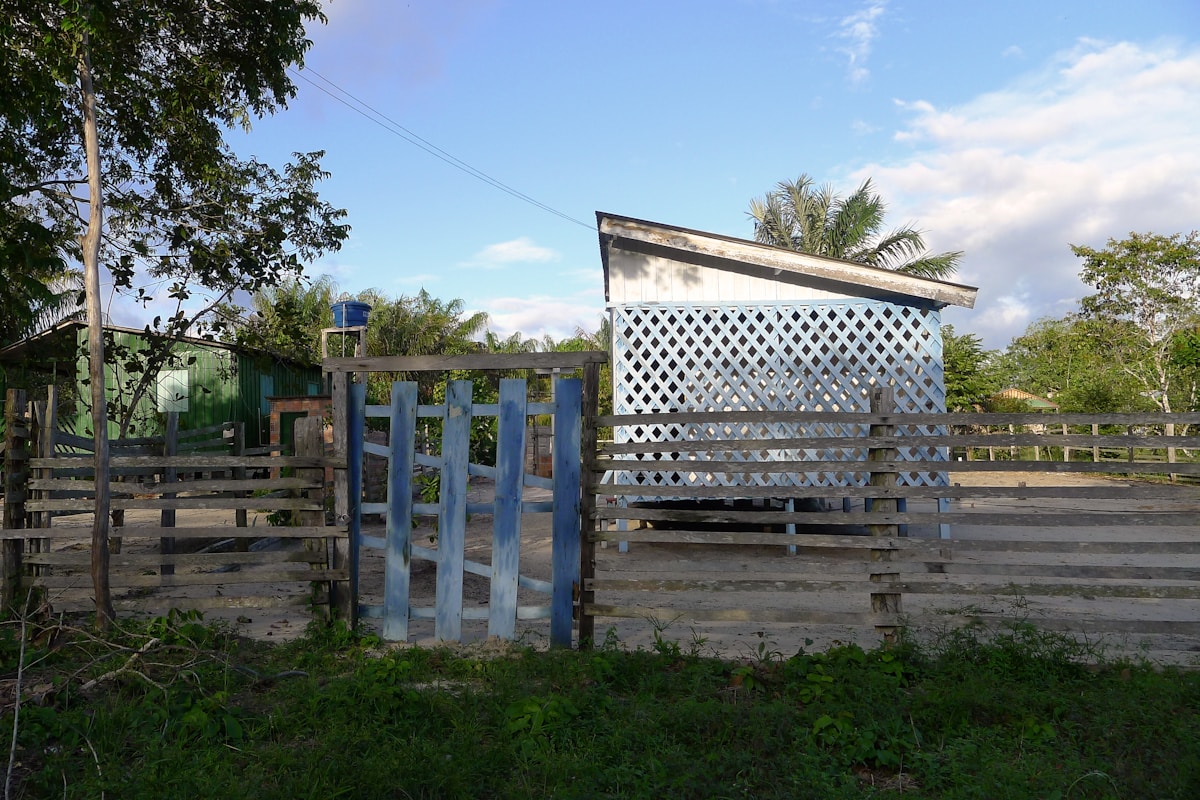
Adventure in the Amazon Rainforest
The Amazon Rainforest, often referred to as the “lungs of the Earth,” is a mesmerizing expanse of biodiversity and natural beauty. This vibrant ecosystem, spanning across several countries in South America, is home to an incredible array of flora and fauna. Join us as we explore the wonders of the Amazon, sharing captivating stories and stunning visuals that highlight its unique charm.
The Rich Biodiversity of the Amazon
The Amazon Rainforest is one of the most biodiverse places on the planet. Covering approximately 5.5 million square kilometers, it houses an estimated:
- 390 billion individual trees
- 16,000 species of trees
- 2.5 million insect species
- 1,300 bird species
- 430 mammal species
- 400 billion individual trees
This staggering variety of life creates an intricate web of ecosystems, each contributing to the overall health of the rainforest. The Amazon is not just a habitat; it is a living entity that plays a crucial role in regulating the Earth’s climate.
Unique Flora of the Amazon
The plant life in the Amazon is as diverse as its animal inhabitants. Some notable species include:
- Rubber Tree: Known for its latex, which is harvested for rubber production.
- Brazil Nut Tree: A towering tree that produces large fruits containing edible seeds.
- Orchids: Over 25,000 species of orchids thrive in the rainforest, showcasing stunning colors and shapes.
- Palms: Various species of palm trees provide food and shelter for many animals.
This rich plant life not only supports the local wildlife but also provides resources for indigenous communities living in harmony with the forest.
Incredible Fauna of the Amazon
The animal kingdom of the Amazon is equally impressive. Some of the most fascinating creatures include:
- Jaguar: The largest feline in the Americas, known for its strength and stealth.
- Amazon River Dolphin: A unique freshwater dolphin that inhabits the rivers of the rainforest.
- Poison Dart Frog: Brightly colored frogs that secrete toxins used by indigenous people for hunting.
- Sloths: Slow-moving mammals that spend most of their lives hanging from trees.
These animals play vital roles in their ecosystems, from pollination to seed dispersal, ensuring the rainforest’s health and sustainability.
Cultural Significance of the Amazon
The Amazon Rainforest is not only a natural wonder but also a cradle of human culture. Indigenous tribes have lived in the Amazon for thousands of years, developing rich traditions and lifestyles closely tied to the land. Some key aspects include:
- Traditional Knowledge: Indigenous people possess deep understanding of the forest’s medicinal plants and ecological balance.
- Cultural Practices: Rituals, music, and art often reflect their relationship with nature.
- Language Diversity: Over 300 languages are spoken by various tribes, showcasing the region’s cultural richness.
These communities are vital stewards of the rainforest, advocating for its preservation and sustainable use.
The Threats Facing the Amazon
Despite its beauty and importance, the Amazon Rainforest faces numerous threats, including:
- Deforestation: Large-scale logging and agricultural expansion are leading to significant habitat loss.
- Climate Change: Altered weather patterns affect rainfall and temperature, impacting the ecosystem.
- Pollution: Industrial activities introduce harmful substances into the environment, affecting wildlife and water quality.
These threats not only endanger the wildlife and plants but also the indigenous cultures that depend on the forest for their livelihoods.
Exploring the Amazon: A Journey to Remember
For those seeking adventure, the Amazon offers a plethora of exploration opportunities. Here are some popular activities:
- Guided Tours: Join experienced guides to navigate the rainforest, learning about its ecosystems and inhabitants.
- Wildlife Watching: Spot unique animals in their natural habitat, from monkeys to exotic birds.
- River Cruises: Experience the beauty of the Amazon River and its tributaries from the comfort of a boat.
- Cultural Experiences: Engage with indigenous communities to learn about their traditions and way of life.
These activities provide a deeper understanding of the Amazon and foster a connection with this extraordinary environment.
Conclusion: Protecting the Amazon Rainforest
The Amazon Rainforest is a treasure trove of biodiversity, culture, and natural beauty. As we venture into its depths, we are reminded of the importance of preserving this vital ecosystem for future generations. By raising awareness and advocating for sustainable practices, we can help protect the Amazon and ensure that its wonders continue to inspire and sustain life on our planet.